In this article
Many students get good marks up to grade 9 with a little reading the night before each exam. Then they reach upper secondary school, the subjects get heavier and more numerous, and the old way stops working. The problem is not that the subjects suddenly became much harder; the problem is that the study habit has not been built yet.
Lower secondary school is the best time to build it: the subjects are still manageable, there is no Konkur pressure, and any habit you build now stays with you for years. This article is written for grade 7 to 9 students themselves, and parents can use it too.
A habit starts small
A habit is not built by a big decision; it is built by small things repeated every day. "From tomorrow I will study three hours a day" usually lasts three days. "Every day after lunch I will review today's lessons for twenty minutes" can last for years.
A simple routine for school days:
| Time | What | How long |
|---|---|---|
| After getting home and a short rest | Today's homework | As long as it takes |
| Then | Reviewing today's lessons | 20 to 30 minutes |
| Late evening | Packing tomorrow's bag | 5 minutes |
Always the same place, the same time
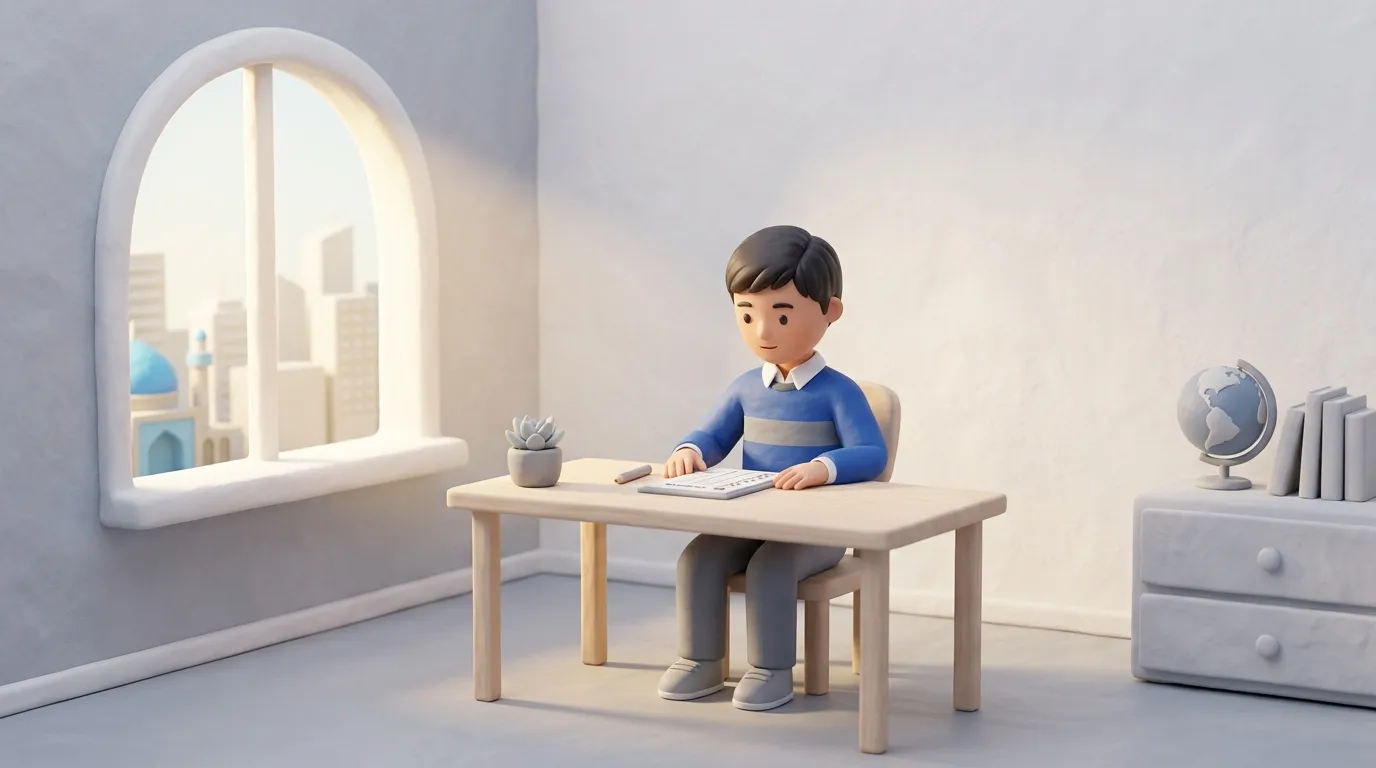
When studying has a fixed place and time, the mind gradually gets ready by itself. A tidy desk with enough light, no television, away from the phone. And one fixed time each day. It does not have to be a special place; it just has to be the same one every day.
Same-day review: the most important habit
If you take only one habit from this article, make it this: review each day's lessons on the same day. A few minutes looking at what was said in class today stays in your mind far better than hours of reading the night before an exam. The reason is that most forgetting happens in the first few days; we explain it in spaced repetition.
Same-day review does not have to be long:
- Open each subject's notebook and read what you wrote today.
- Close the notebook and ask yourself: "What did I learn in this subject today?"
- If there was something you did not understand, mark it and ask your teacher tomorrow.
One thing at a time
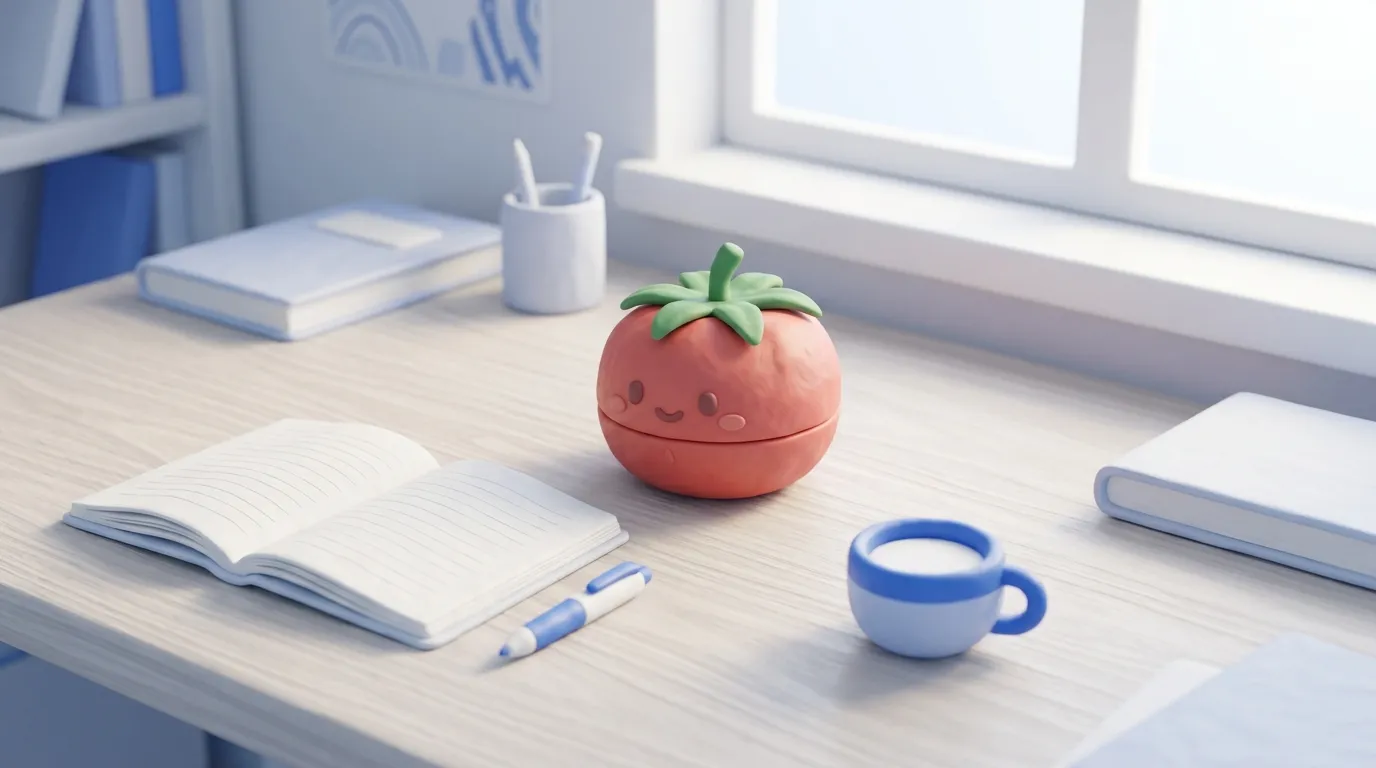
When you study, only study. A phone, the television or chatting with friends in the middle of studying breaks your focus and makes the work take longer. A simple method: twenty-five minutes of study with nothing else, then a five-minute break. This is called the Pomodoro technique, and it works at every age.
Write your week's plan yourself
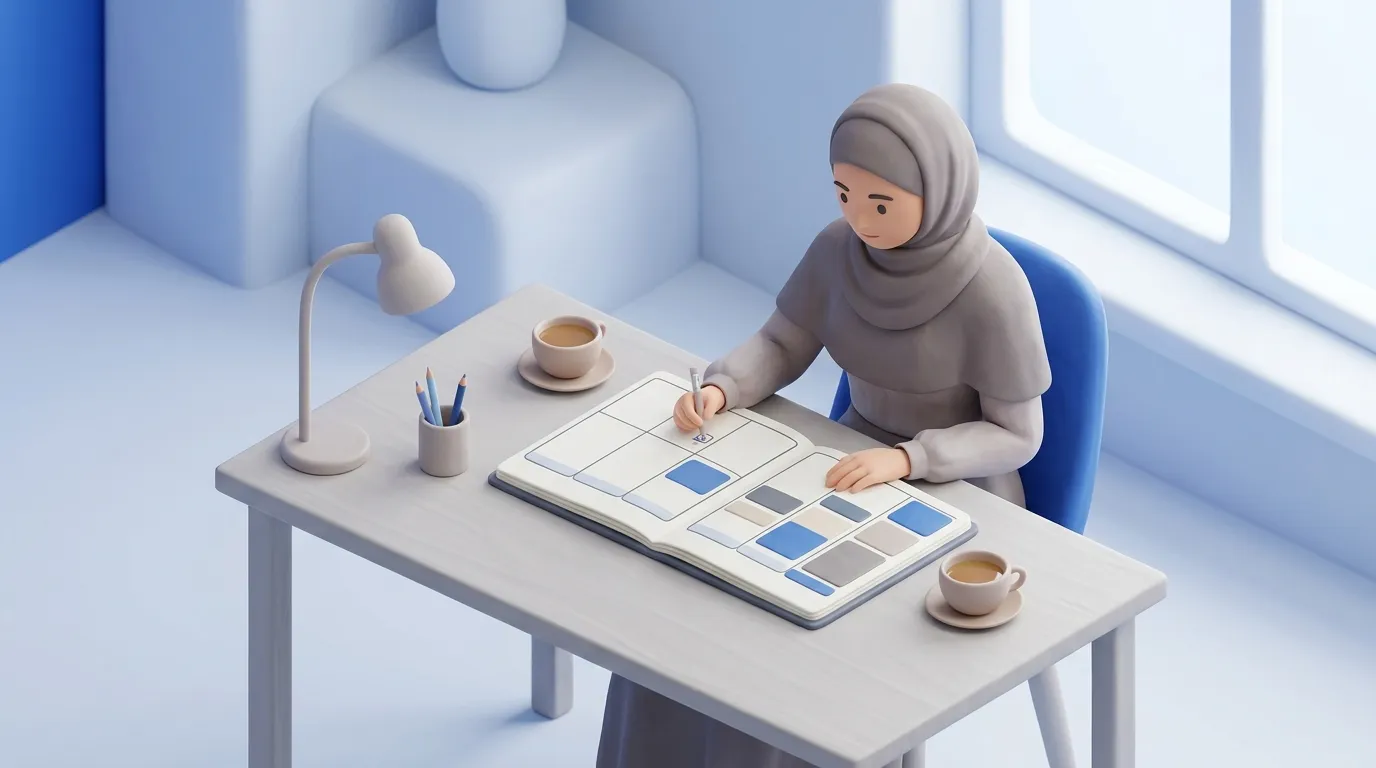
At the end of each week, sit for five minutes and look at the week ahead: is an exam coming? Is a big piece of homework due? Is there a day with an extra class or a family visit? That short look helps make sure no exam catches you by surprise. If your mother or father sits with you, even better — but write the plan yourself, because you follow a plan you wrote yourself much more. The full method is in the weekly review.
Rest and play are part of the plan too
Studying is not meant to take the whole day. Sport, play, seeing friends and enough sleep matter as much as studying. A student who sleeps well and moves around understands better in class and needs to study less outside it. A plan with no room for these does not last.
For parents
The best help at this age is building a routine, not constant supervision. Help make sure the study place is ready, the phone is away during study time, and at the end of the week look at next week's plan together for five minutes. Pay more attention to effort and consistency than to marks; a student with the right habits sees their marks rise sooner or later.
In Student OS
Enter this year's subjects and class times in courses to see them on the calendar and the today page. Record homework in assignments with due dates, and in habits make a daily habit such as "review today's lessons"; you tick it with one tap each day and see your streak of days in a row. Guides: habits, assignments, today.
Summary
- Lower secondary school is the best time to build a study habit.
- Start small: twenty minutes of review every day.
- A fixed place, a fixed time, no phone.
- Review each day's lessons on the same day, and ask your questions.
- Write your week's plan yourself, and leave room for play and sleep.