In this article
A project is due in two weeks. On day one you say "there is plenty of time". On day five you get a little worried, but tidy your room instead. On day twelve you are very worried, and on the last night you finish it under stress and at low quality. Then you promise yourself you will start earlier next time — and next time exactly the same thing happens.
If that cycle sounds familiar, first some good news: procrastination is not laziness. Lazy people are not bothered by putting work off. You are bothered, because the work matters to you. The problem lies somewhere else.
Procrastination is escaping a feeling
Researchers who have studied procrastination have reached a shared conclusion: we do not put a task off because it is hard; we put it off because thinking about that task feels bad — fear of not doing it well, confusion about where to start, or boredom. And anything else (the phone, tidying, even another task from the plan) makes that feeling go away for a while.
So procrastination is a short-term way to feel better that makes you feel worse in the long run. Once you see that, the question is no longer "why do I have no willpower?"; it is "what feeling does this task give me, and how do I make it smaller?"
Three common kinds, and the cure for each
| If you are escaping this | It means | The cure |
|---|---|---|
| "I do not know where to start" | The task is vague and big | Break it into small, specific steps |
| "I am afraid it will not be good" | Perfectionism | Agree with yourself that the first version will be bad |
| "It bores me" | The task is tedious | Make its time short and put a reward after it |
Method 1: make the first step ridiculously small
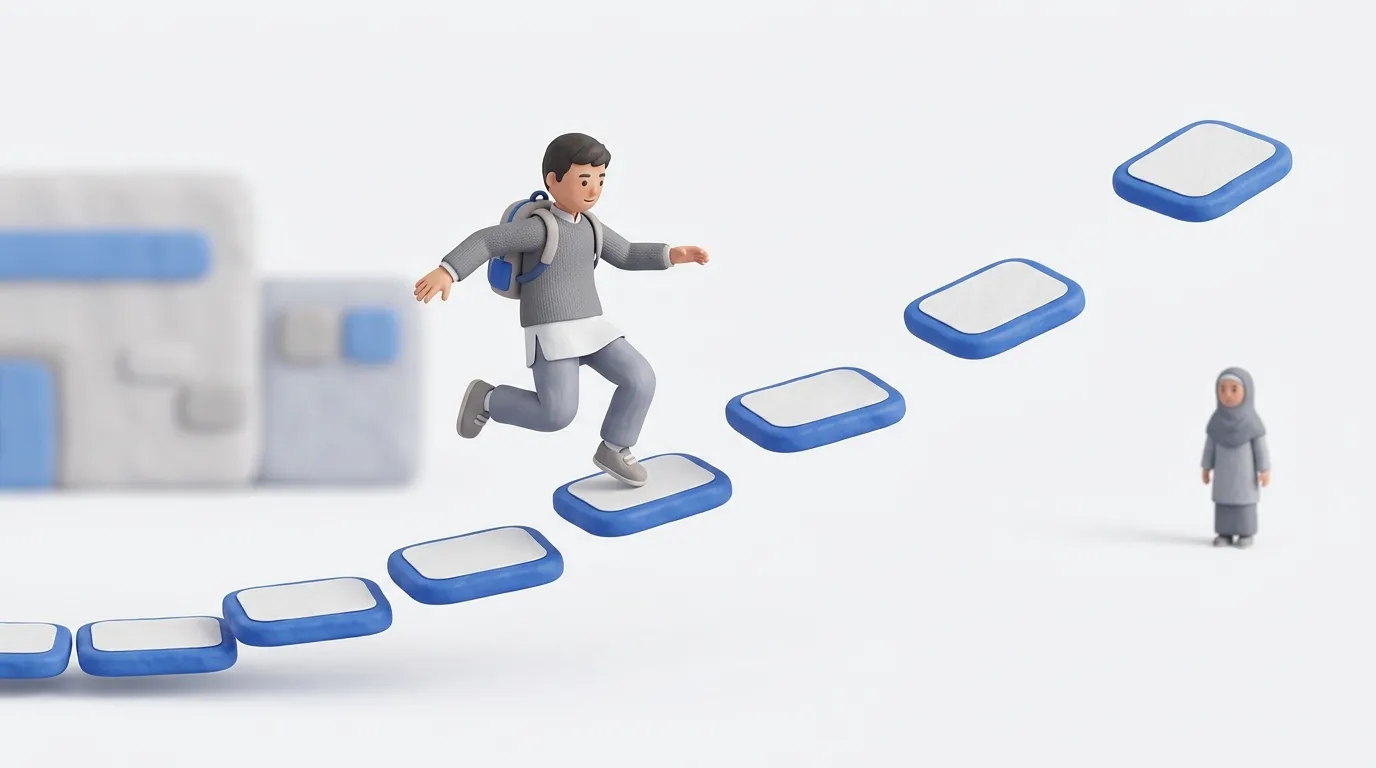
"Writing the report" is big and vague. "Opening the file and writing the headings" is small and specific. When the first step is so small that starting it holds no fear, most of the time you carry on once you have started. The hardest part of any task is its first two minutes.
Method 2: the five-minute rule
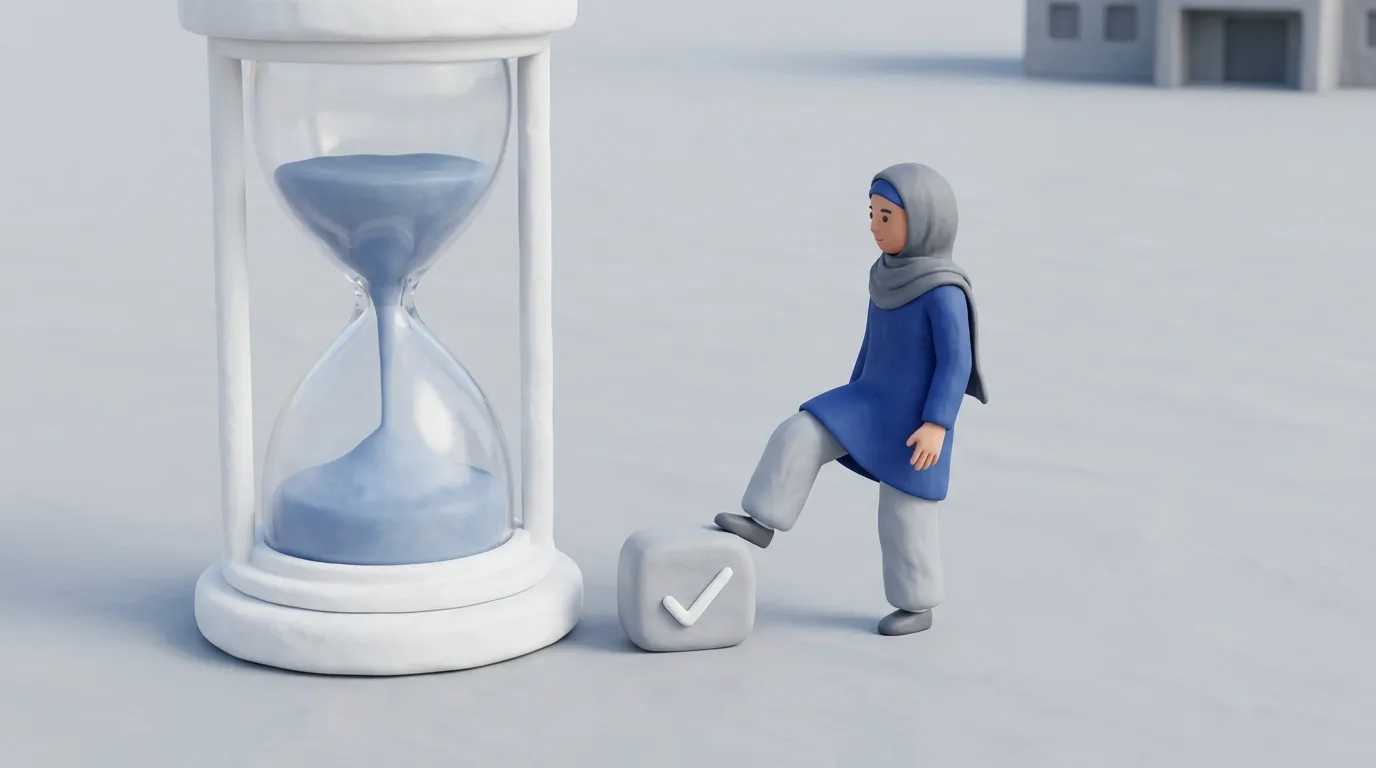
Tell yourself: "I will work on it for just five minutes; then, if I want, I will stop." And you really are allowed to stop. But most of the time, after five minutes, carrying on is easier than stopping, because the main bad feeling — the vagueness of starting — has gone. The Pomodoro technique is a tidy form of the same idea.
Method 3: write a bad first version
Perfectionists procrastinate most of all, because they compare every start with a flawless final version. Let your first version be bad: full of errors, messy, incomplete. Fixing a bad text is far easier than writing a good one from scratch.
Method 4: deadlines you set yourself
A distant deadline creates no drive. Break the big task into pieces and give each piece a near date. "Sources gathered by Tuesday, a draft by Friday" moves the work forward much more than "by the end of the month". If you tell someone too (a teammate, a friend, family), your commitment gets stronger.
Method 5: clear the temptations out of the way
Procrastination usually heads for the easiest escape: the phone, social media, television. The harder they are to reach, the less you go to them. We describe how in your phone and your studies.
When procrastination is a bigger problem
If you put off almost everything, if you feel that nothing motivates you, or if procrastination comes with constant tiredness and hopelessness, it may be more than a habit. Talking to a counsellor or a psychologist can be a great help.
In Student OS
In tasks you break each big task into small subtasks and give each a due date; with quick capture, writing down a new task takes a few seconds. If you put a task off, the app quietly moves it, and the today page always tells you what to start right now, so deciding never becomes the excuse. Focus is also a timer for those first five minutes. Guides: tasks, today, focus.
Summary
- Procrastination is escaping a bad feeling, not laziness.
- Ask what you are escaping: vagueness, fear or boredom.
- Make the first step very small and start for just five minutes.
- Let the first version be bad.
- Set near deadlines and move temptations away.
- Forgive yourself; blame tightens the cycle.